
jesse

Protecting forests, wetlands, watersheds, and biodiversity through ecosystem restoration, climate adaptation, agroforestry, landscape governance, renewable energy, and nature-based solutions.

Forest Landscape Restoration

JESE restores degraded forests and landscapes through community-led tree planting, assisted natural regeneration, agroforestry, and sustainable land management. By working with local communities, government agencies and development partners, we improve ecosystem health, enhance biodiversity, strengthen climate resilience, and increase livelihood opportunities while contributing to Uganda’s national restoration commitments.

Key Focus: Tree planting • Agroforestry • Farmer Managed Natural Regeneration (FMNR) • Forest conservation through Collaborative Forest Management Agreements • Landscape restoration • Community forestry

Forest Landscape Restoration (FLR) is one of JESE’s flagship programme areas and lies at the heart of our commitment to creating resilient communities and resilient ecosystems. We work with farming communities, government institutions, development partners and the private sector to restore degraded forests, watersheds and agricultural landscapes while improving livelihoods and strengthening resilience to climate change. This work directly contributes to Uganda’s National Development Plan, Vision 2040, the National Restoration Agenda and several Sustainable Development Goals, particularly SDGs 1, 2, 6, 8, 13 and 15.

Rather than restoring forests alone, JESE promotes integrated landscape restoration that balances environmental conservation with sustainable agricultural production, biodiversity protection, and economic development.

Our Approach

JESE applies a community-centred landscape restoration model that combines ecological restoration with livelihood improvement. Communities are empowered to become custodians of their natural resources while benefiting from improved agricultural productivity, climate-resilient enterprises and access to sustainable markets.

Our approach integrates:

  • Community-led tree planting
  • Assisted Natural Regeneration (ANR)
  • Farmer Managed Natural Regeneration (FMNR)
  • Agroforestry systems
  • Collaborative Forest Management (CFM)
  • Watershed restoration
  • River buffer restoration
  • Integrated Farm Planning
  • Climate-smart agriculture
  • Sustainable value chains
  • Community natural resource governance
  • Green enterprise development

This integrated model ensures that restored landscapes continue to provide environmental, social and economic benefits long after project completion.

Key Intervention Areas

Community Tree Planting

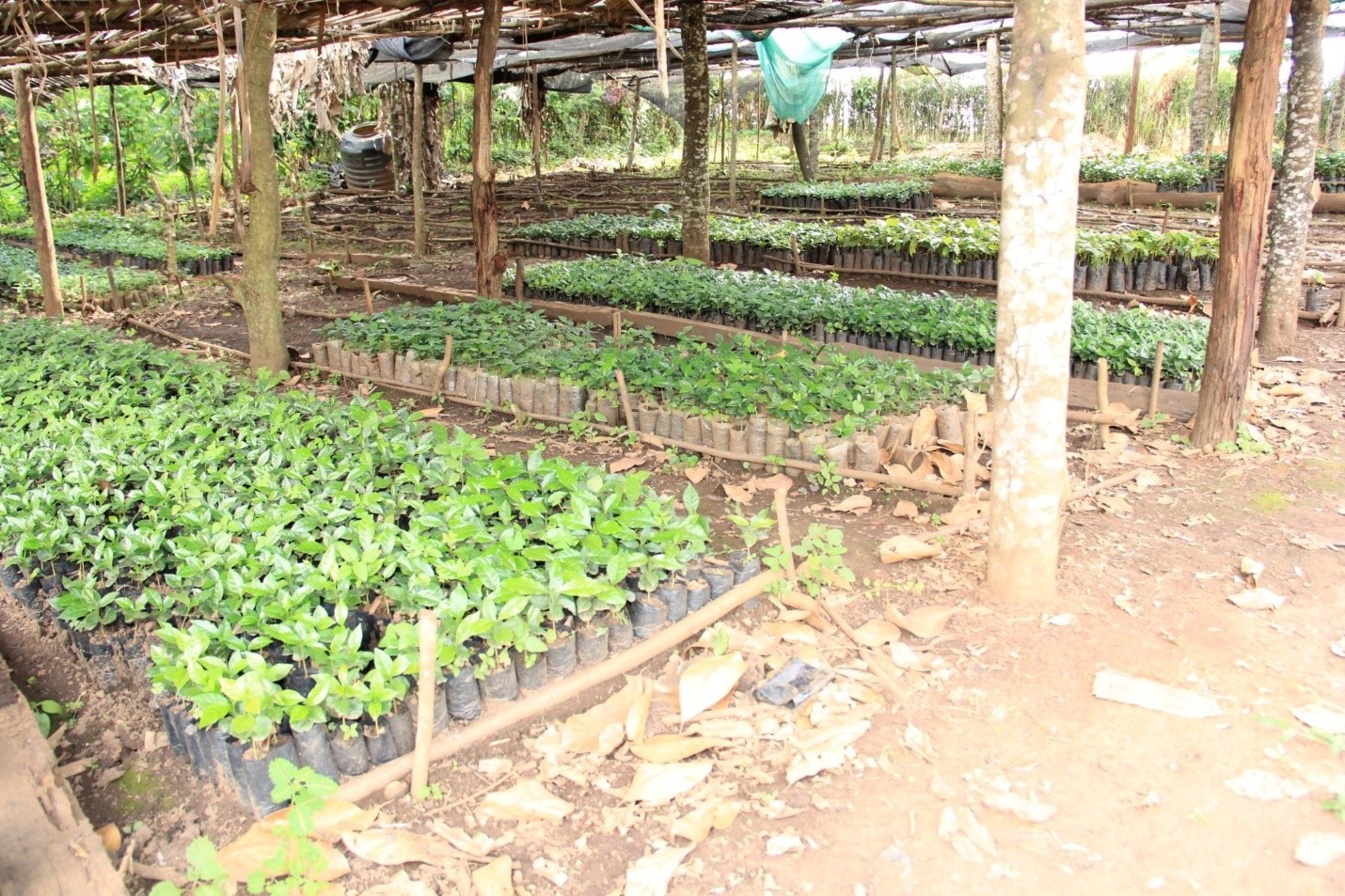
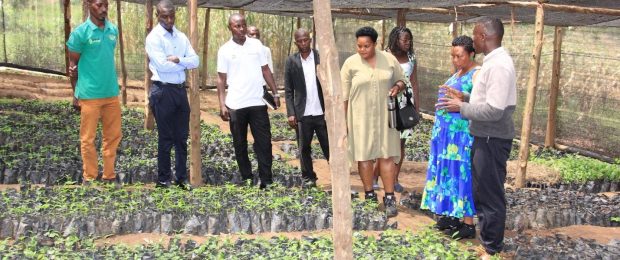
JESE supports households, schools, institutions and community groups to establish trees on farms, riverbanks and degraded landscapes. Indigenous and multipurpose tree species are promoted to improve biodiversity, increase carbon sequestration, protect water resources and generate income through timber, fruits and other forest products.

In 2025 alone, JESE facilitated the planting of 2,564,754 trees by 8,960 farmers across Kyegegwa, Bunyangabu, Kamwenge, Ibanda and Buhweju districts.


Agroforestry

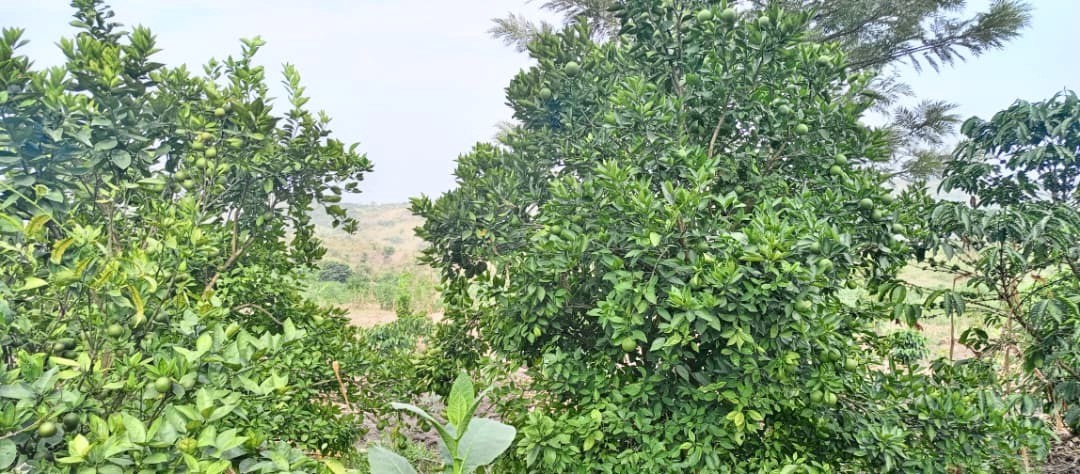
JESE integrates trees into farming systems to improve soil fertility, enhance crop productivity and diversify household income. Farmers establish coffee-, cocoa- and vanilla-based agroforestry systems that simultaneously restore ecosystems and strengthen resilient livelihoods. Under the UGROW Programme, JESE is  expanding agroforestry interventions by onboarding 3000farmers, establishing approximately 122  hectares  of agroforestry systems in Kyenjojo and Kamwenge districts but also georeferencing farm plots to support compliance with the European Union Deforestation Regulation (EUDR).
Farmer Managed Natural Regeneration (FMNR)

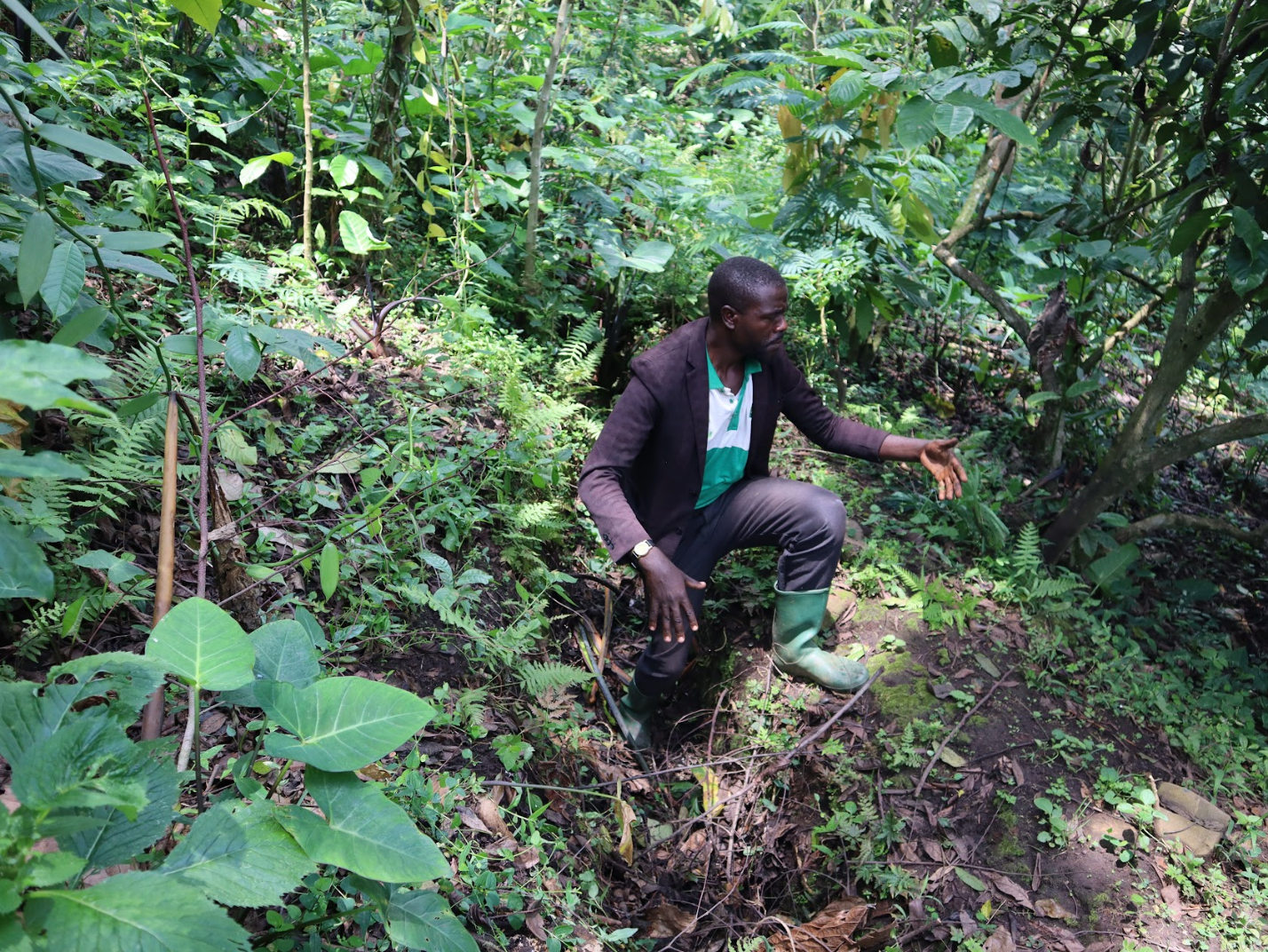
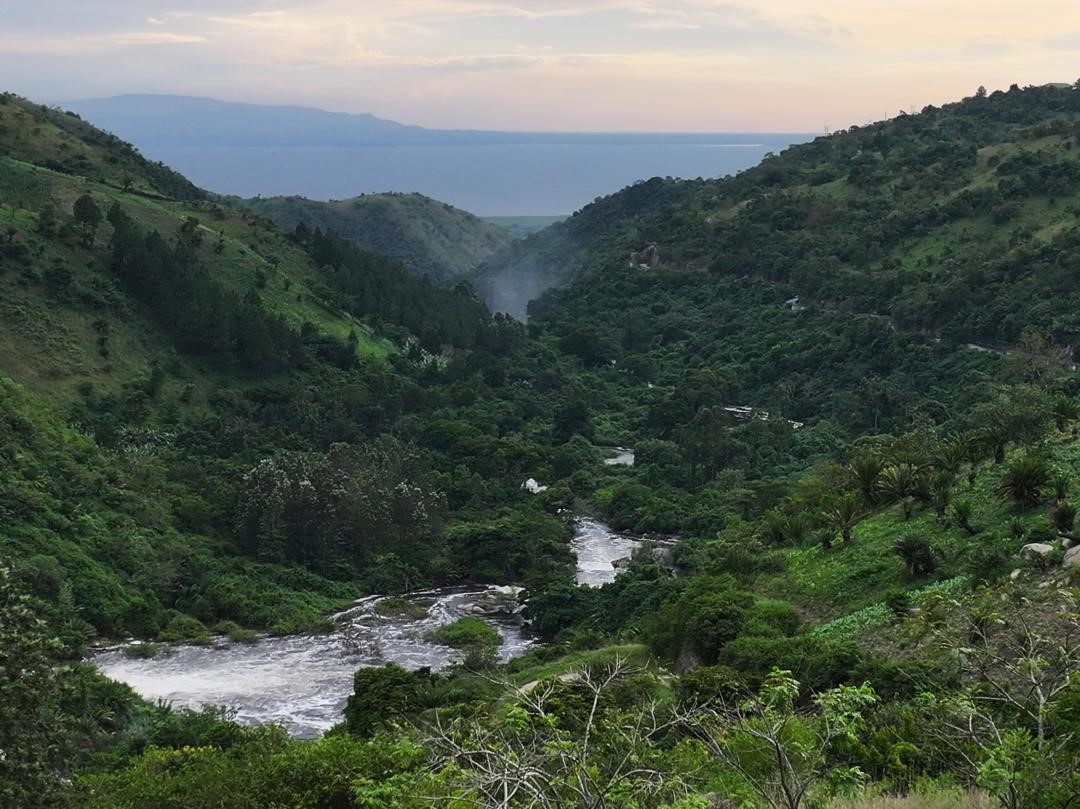
JESE promotes FMNR as a cost-effective and sustainable restoration approach that enables naturally regenerating trees to recover on degraded farmland. Farmers receive technical guidance on selecting, pruning and protecting naturally occurring tree species, improving biodiversity while reducing restoration costs.

In 2025, 53,448 naturally regenerated trees were identified, protected and managed through FMNR, contributing significantly to ecosystem recovery across programme landscapes.

Collaborative Forest Management (CFM)

JESE works closely with forest-adjacent communities and government agencies to strengthen Collaborative Forest Management arrangements that promote shared responsibility for forest conservation.

The organisation supports Community Forest Management groups through:

  • Institutional strengthening
  • Governance training
  • Forest restoration planning
  • Sustainable forest resource management
  • Livelihood diversification
  • Conflict resolution

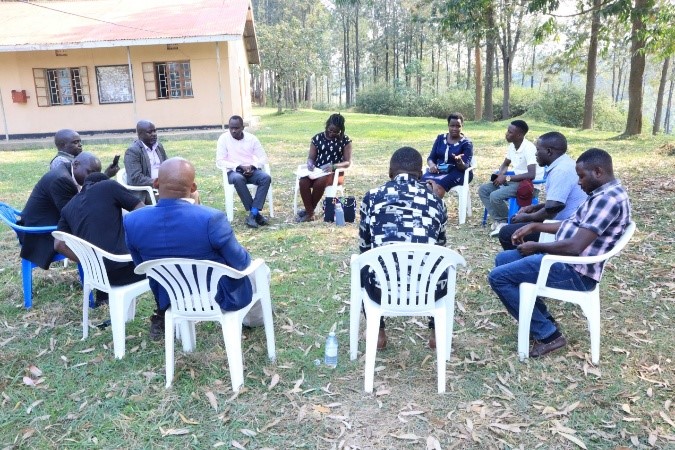
Currently, JESE is strengthening the capacity of  the Kifeca Community Forest Management Group, Manuria Community Forest Management Group, and the Mpanga Catchment Conservation Committee, to  improve leadership, accountability and community participation in conservation.

Landscape Restoration

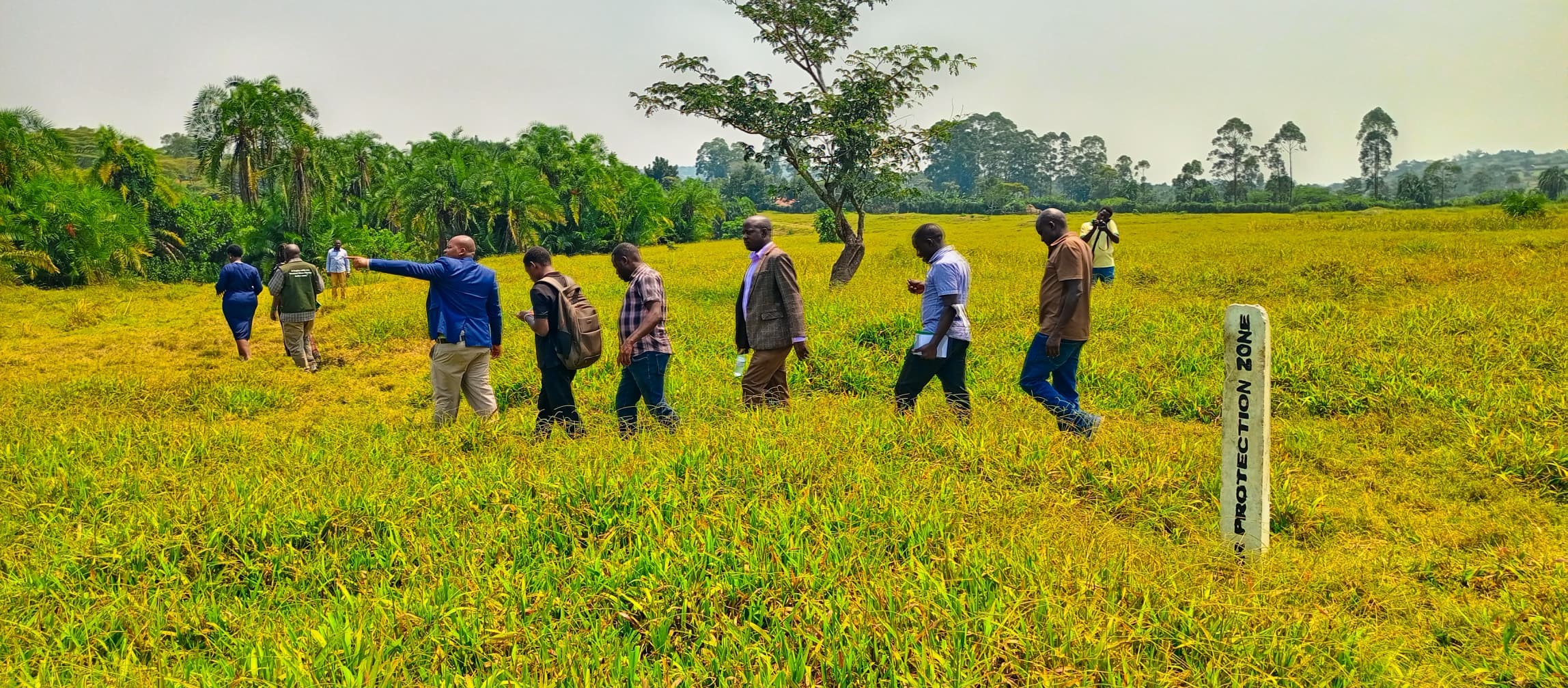
Landscape restoration goes beyond tree planting. JESE restores entire ecological systems by integrating forests, agricultural land, wetlands, rivers and community livelihoods.

Our restoration interventions include:

  • Degraded forest restoration
  • Riparian ecosystem restoration
  • Wetland rehabilitation
  • Soil and water conservation
  • Assisted natural regeneration
  • Climate-smart agriculture
  • Community forestry
Across all programmes in 2025, JESE:
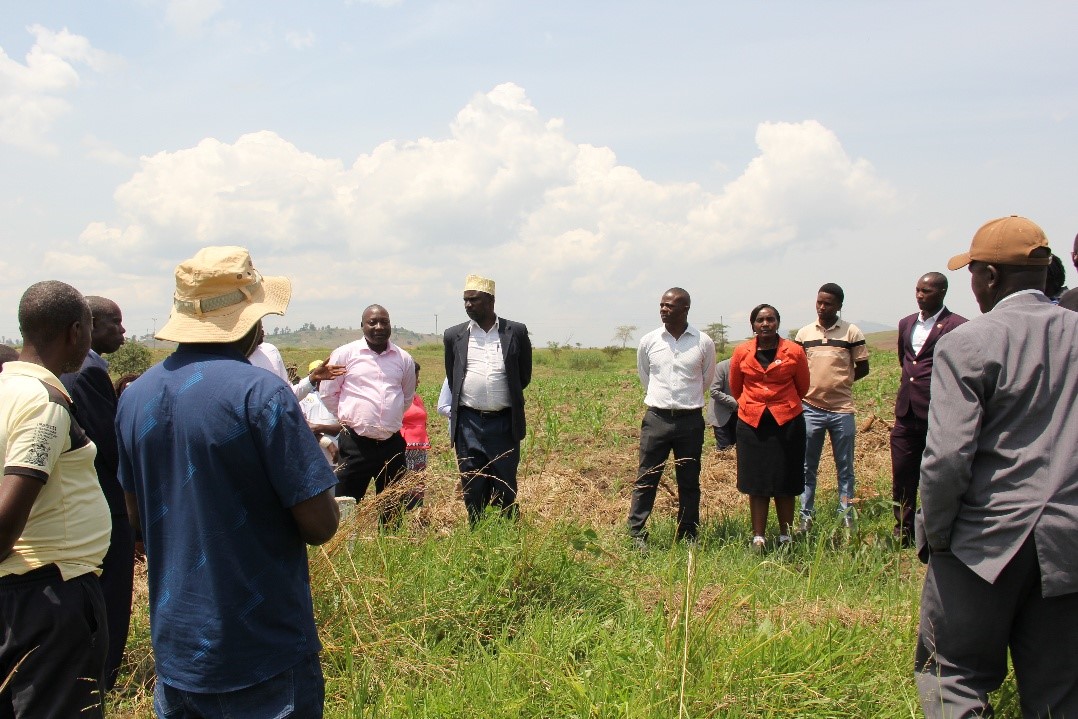
  • Mobilised 35,966 hectares of land for restoration commitments.
  • Restored 14,285 hectares of farmland.
  • Mobilised an additional 17,515 hectares for future restoration.
  • Established 7 demonstration plots showcasing restoration best practices.
Community Forestry

JESE strengthens community ownership of forests through participatory planning, capacity building and sustainable management systems.

Community forestry initiatives promote:

  • Local forest governance
  • Sustainable harvesting
  • Indigenous tree planting
  • Forest-based enterprises
  • Community monitoring

Impact Stories