
The role of stakeholder involvement in the protection and conservation of the riparian landscape
- July 27, 2026
- Posted by: jesse
- Category: News & Updates
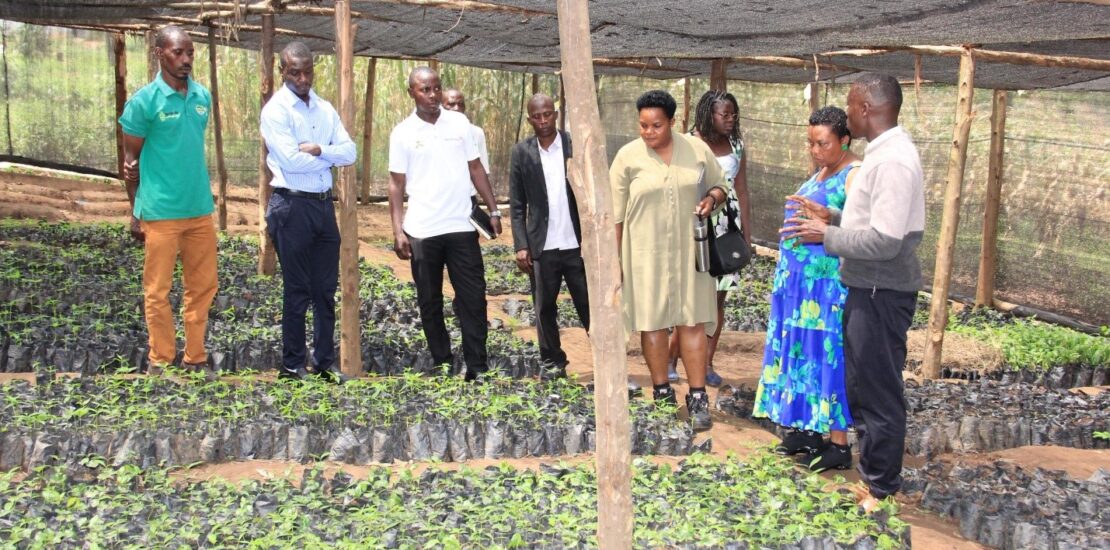
A case study of Mpanga Catchment.
Advancing multi-sectoral engagement is key in the conservation work. Environmental stewardship is not a one man’s job. It requires not just a team, but teams at all levels. For the Protection and Equitable freshwater Resources-PURE program to achieve it’s advocacy agenda on the buffer zone protection within the Mpanga catchment, many interventions came into play.
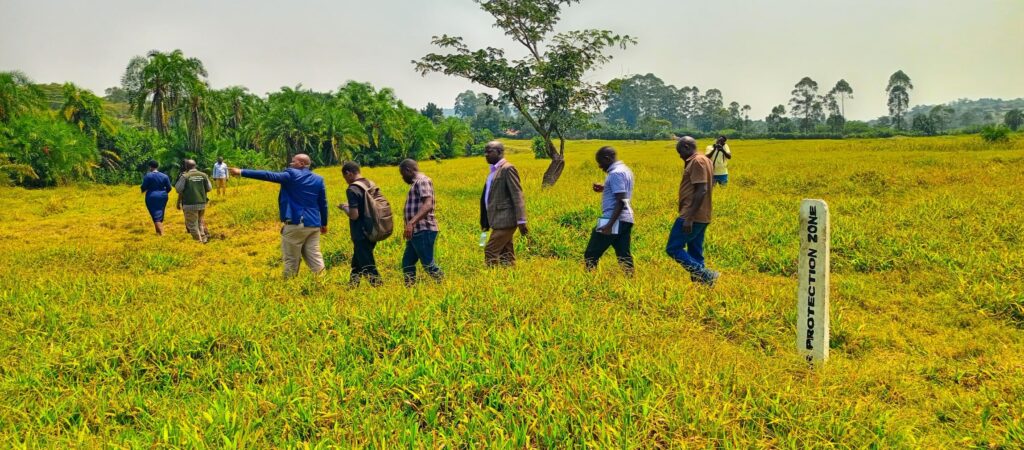
Joint field monitoring visit with the District Executive Committee members.
Realising the role the District Executive Committee (DEC) plays in influencing decisions and passing them was the cornerstone for our engagement. Interesting them in passing our agenda was one thing. Achieving it was another.
This required us to be creative and very intentional. This gave birth to the joint field monitoring visits, an activity that provided an opportunity for the DEC members to interface with key interventions at the sites in Kamwenge and Kitagwenda Districts.
As always, we contacted our district Focal Persons, and their guidance came in handy, advising us to contact the District Speakers to mobilise the DEC members. In total, we engaged about 25 DEC members: 10 in Kitagwenda and 15 in Kamwenge.
We did not just visit the intervention sites and stop there. No. We sat down with them after the field visits and conversed some more. In our discussions, promises were made, actions were agreed upon, and by the end of the engagement, everyone knew what would happen next.
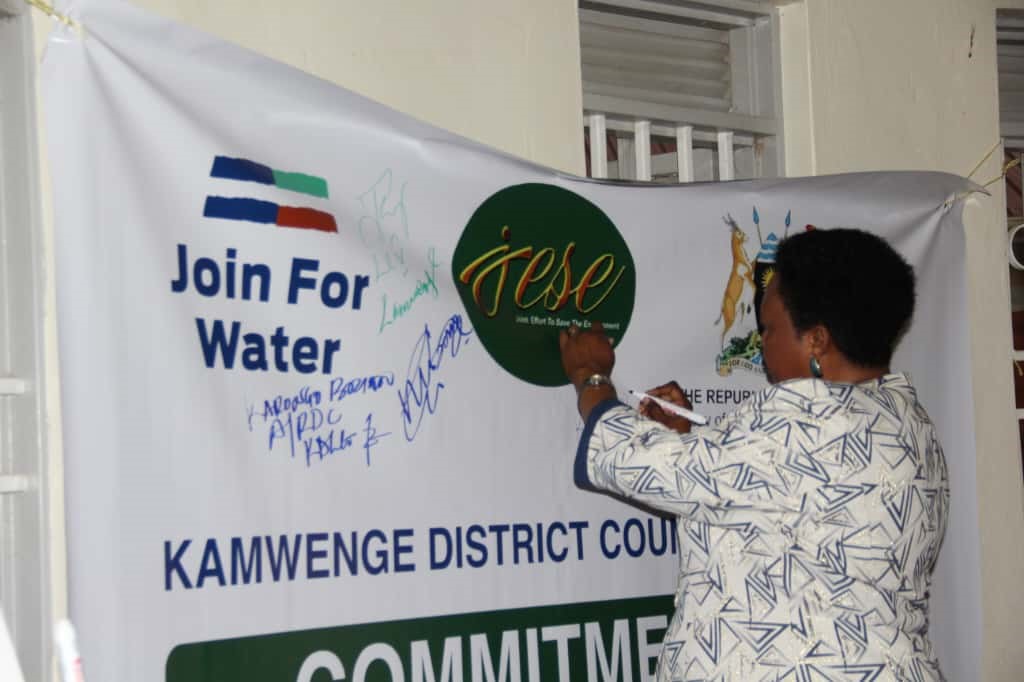
Four commitments were secured, including: Continue sensitizing community members adjacent to the River Mpanga and advocate for environmental protection, and Support in the implementation of protection and conservation activities in Kitagwenda. While in Kamwenge, bylaws, ordinances, and policies will be formed and tabled during the council meeting, and continue mobilising communities to observe and comply with the regulations on buffer zone protection.
And just like that, we set our eyes on leveraging the engagement with DEC members to pave the way for JESE and JFW to be included in the order paper and participate in the District Council Meetings.
Following the field joint monitoring visits by the DEC members in Kamwenge and Kitagwenda districts, another chapter was opened. This was termed “The participation in the Council meetings.” True to their words, we were invited to attend the council meetings.
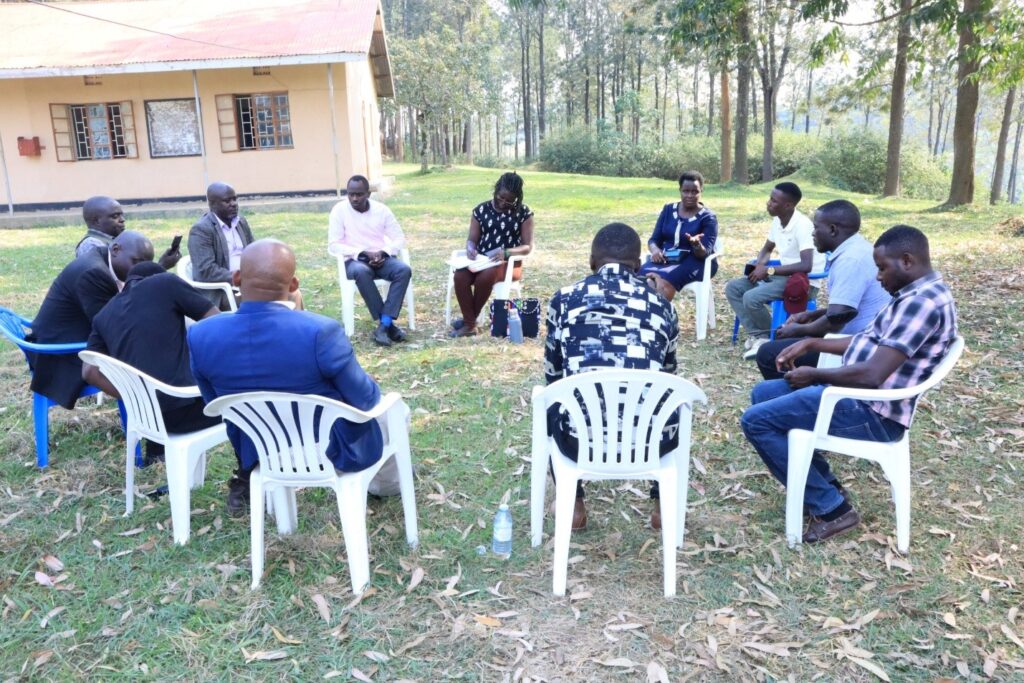
Our contributions to the protection and conservation of water resources were acknowledged.
Speaking to the Honorable Councilors during the meeting, the RDC, Kitagwenda, implored Honorable Councilors to contribute to the protection and safeguarding of the water resources.
“We are risking a lot if we don’t safeguard the River Mpanga banks.” He noted.
As a way forward, the Natural Resources Committees recommended that the district establish bylaws to ensure that the water resources are not destroyed.
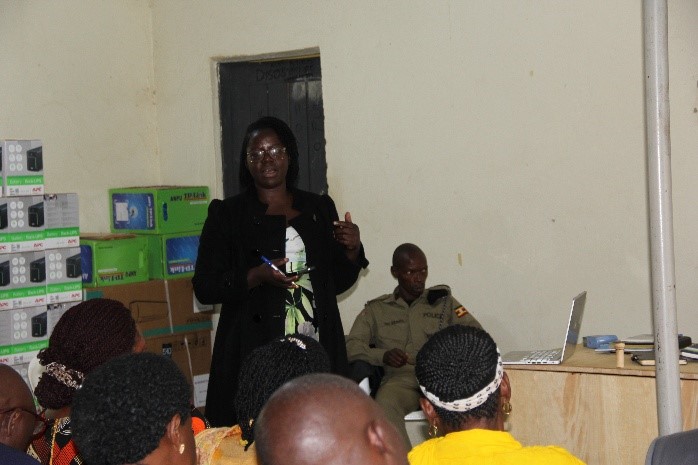
Over the years, regional dialogues have been held targeting stakeholders from the districts of Ibanda, Kitagwenda, Kamwenge, and Fort-Portal Tourism City.
The advocacy dialogue meeting brought together stakeholders from Kamwenge, Ibanda, Kitagwenda, the AWMZ, and the media. The event that started with a field visit at Kiburara prison land, which was previously encroached on by the prison, has been left to regenerate following the demarcation and the dialogue held in previous years.
Stakeholders during a site visit at Kiburara before the dialogue meeting.
The RDC Kitagwenda echoed the need to plan for the sustainability of the work started by the development partners. “We must wake up. It’s high time we taught our people to survive within their means. Let’s educate them to manage well the available resources.” He remarked.
He further emphasized that it’s important for the people within the River Mpanga catchment to take the lead in protecting and conserving the River Mpanga catchment.
The stakeholders further encouraged the need to involve religious leaders, plan for regular monitoring and engagement, and plan for the tributaries to be restored too, and asked the RDCs to advocate for adequate resources to be considered within the natural resources departments.
