Restoring Mpanga Gorge Buffers Through Sustainable Livelihoods
- July 27, 2026
- Posted by: jesse
- Category: Impact stories
Challenge overview: Communities surrounding the Mpanga River Gorge—particularly in Ntara and Kanara sub-counties—were experiencing steady degradation of a critical ecosystem. Encroachment into protected areas, illegal deforestation, and unsustainable land use practices were undermining the health of the river system and threatening rare biodiversity, including the endangered Mpanga Falls cycad.
Weak enforcement of environmental regulations allowed continued destruction of river buffer zones. At the same time, poverty and land scarcity compelled households to engage in slash-and-burn agriculture and settlement within these fragile areas. This created a persistent trade-off between immediate livelihood needs and long-term ecological sustainability.
As degradation intensified, downstream impacts became evident. Water quality and volumes declined, affecting domestic use, agriculture, and even hydroelectric power generation. The ecosystem that sustained both livelihoods and energy production was being gradually eroded.
In partnership with Join for Water, the Ministry of Water and Environment (AWMZ), Kitagwenda District Local Government, and sub-county leadership in Ntara and Kanara, JESE implemented an integrated, community-driven restoration approach. Some of the key interventions included;
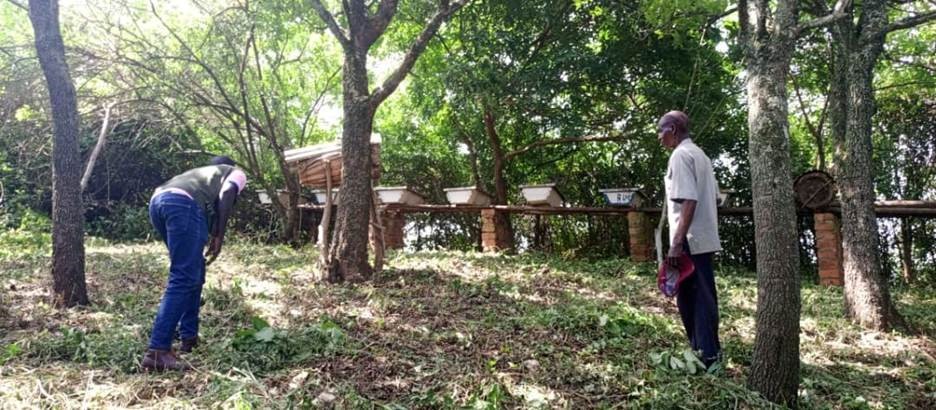
- Communities were trained in beekeeping and agroforestry, enabling income generation while conserving natural resources.
- Farmers adopted improved practices on the farm to reduce erosion and enhance productivity.
An Orange Orchard in downstream Mpanga- supported by the program.
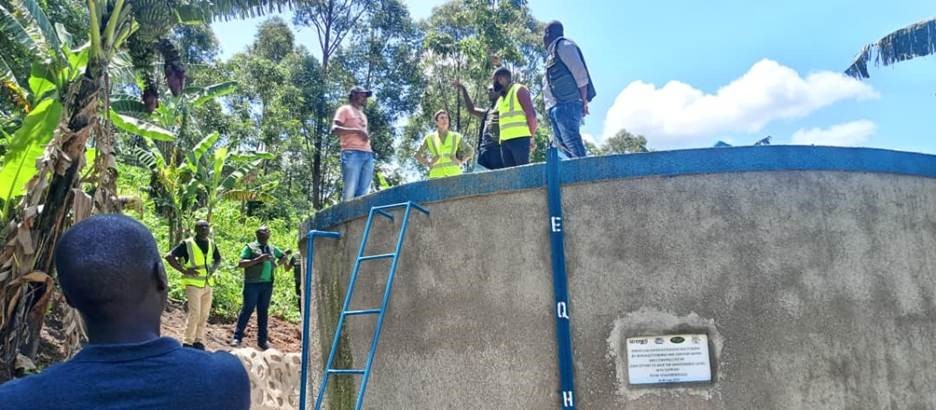
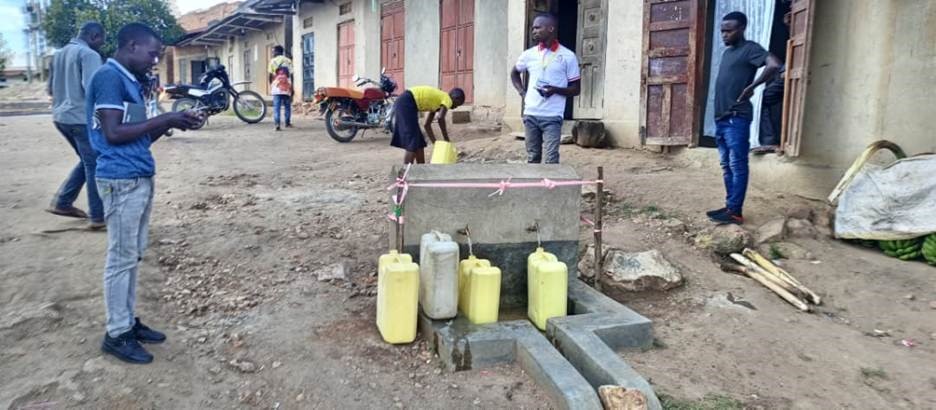
- Jese provided a 6 km gravity water extension scheme from Rwentuha that now serves 8 villages in Nyakachwamba, reaching over 3,984 people.
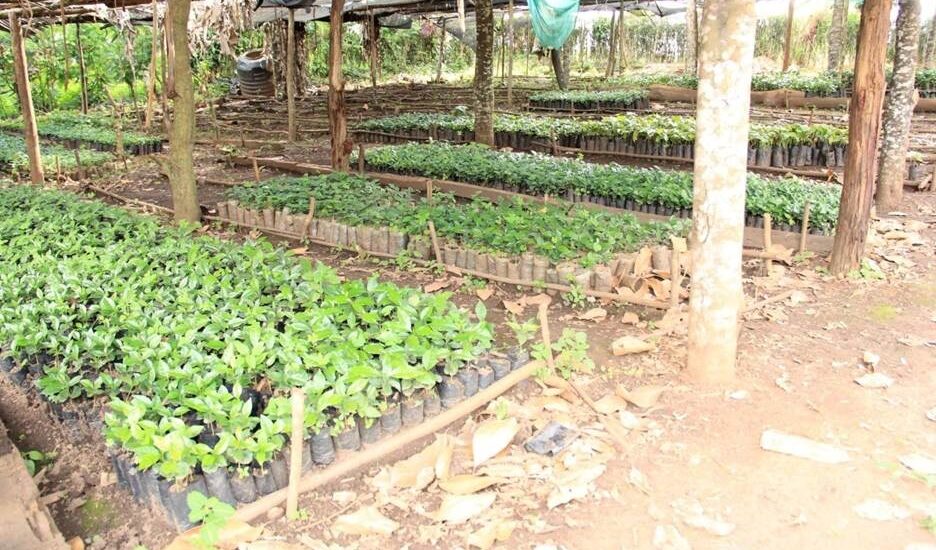
- Jese supported over 111 farmers and planted more than 50,000 indigenous trees in farms and buffer zones. This also included fruit trees to strengthen household incomes.
- Together with the local government of Kitagwenda, carried out community sensitisation on environmental stewardship and buffer zone regulations.
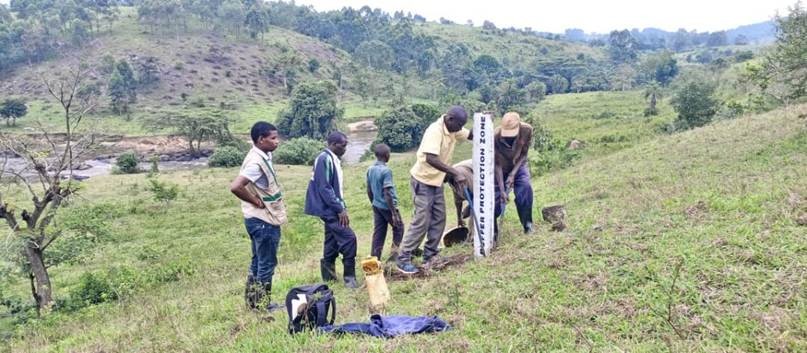
- Carried out demarcation of 100-metre river buffer zones, enabling natural regeneration across approximately 150 hectares.