Protecting Water.
Restoring Nature.
Protection and Equitable Use of Fresh Water Resources (PURE) is a five-year programme focused on strengthening and empowering the socio-ecological resilience of communities through the protection and conservation of water resources.
Strengthening communities through water and ecosystem protection
PURE is a five-year programme, “Protection and Conservation of Water Resources” (PCWR), funded by Join for Water.
Its overall aim is to strengthen and empower the socio-ecological resilience of communities in protecting and conserving the water resources surrounding them.
The programme focuses on sustainable WASH infrastructure, restoration and conservation of forests and water ecosystems, and stronger synergy among different actors.
What the programme addresses
Buffer zone protection and socio-ecological resilience are central to the programme's work with communities and ecosystems.
Evidence of change
Environmental restoration, WASH, livelihoods, school-based learning, research and advocacy are brought together to strengthen community resilience.
Three priorities driving change
The programme connects water security, ecosystem restoration and stakeholder action.
Sustainable WASH Infrastructure
Enhancing community access to sustainable Water, Sanitation and Hygiene (WASH) infrastructure.
Forest & Water Ecosystem Restoration
Facilitating restoration and conservation of forests and water ecosystems.
Collaboration & Partnerships
Promoting collaboration and partnerships among different stakeholders in environmental protection.
Geographical Scope
The programme works across selected communities in Kamwenge and Kitagwenda Districts.
Kamwenge District
- Kabambiro Sub-County: Rushango Wetland.
- Kahunge Sub-County: Kiyagara Parish — villages adjacent to the Mpanga River.
- Busiriba Sub-County: Kinoni Parish — villages adjacent to the Mpanga River.
Kitagwenda District
- Ntara Sub-County: Nyakachwamba Parish — villages adjacent to Mpanga Gorge, home of critically endangered species including the Cycad.
- Kanara Sub-County: Kekubo Parish — villages adjacent to Mpanga Gorge.
- Nyabbani Sub-County: Rwenkubebe Parish, Kyanyinihuli Village.
How the programme works
Collaboration, Partnership & Synergies
Media Activations
Annual Events
Turning action into measurable results
The programme has supported communities through restoration, livelihoods, WASH, school activities, research and advocacy.
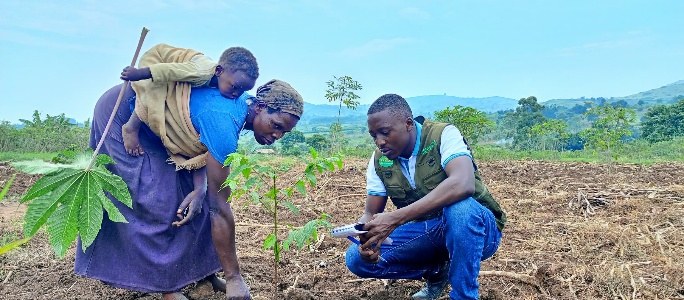
Provided livelihood options such as orange trees and beehives in Ntara and Kanara Sub-Counties.
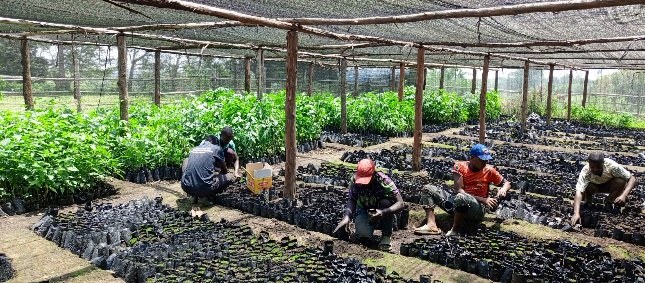
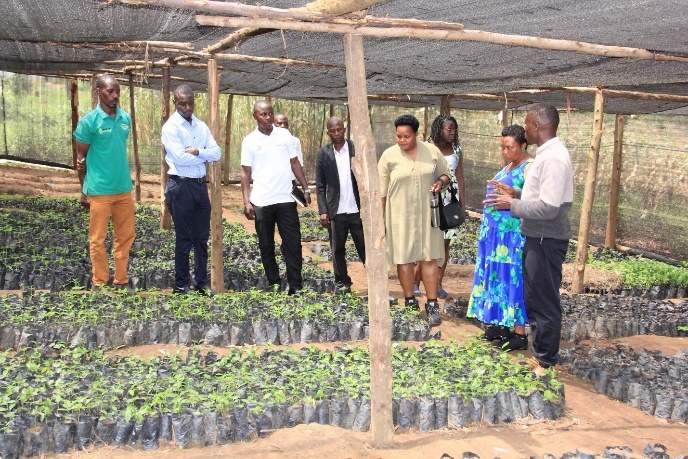
Supported communities with tree seedlings through community nursery beds to support restoration along the River Mpanga buffer zone.
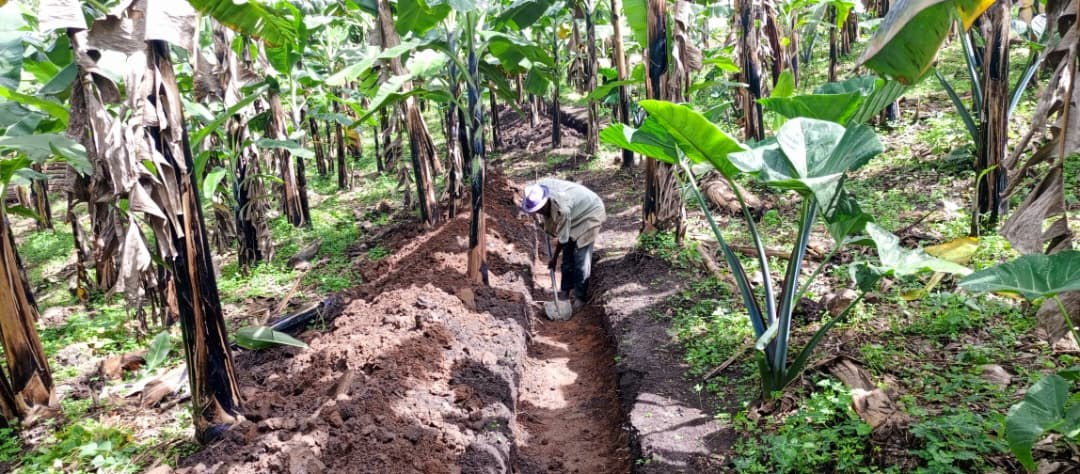
Introduced soil and water conservation structures in Ntara and Kanara Sub-Counties.
Constructed eco-san toilets and rainwater harvesting tanks in Bunoga and Busabura Primary Schools.
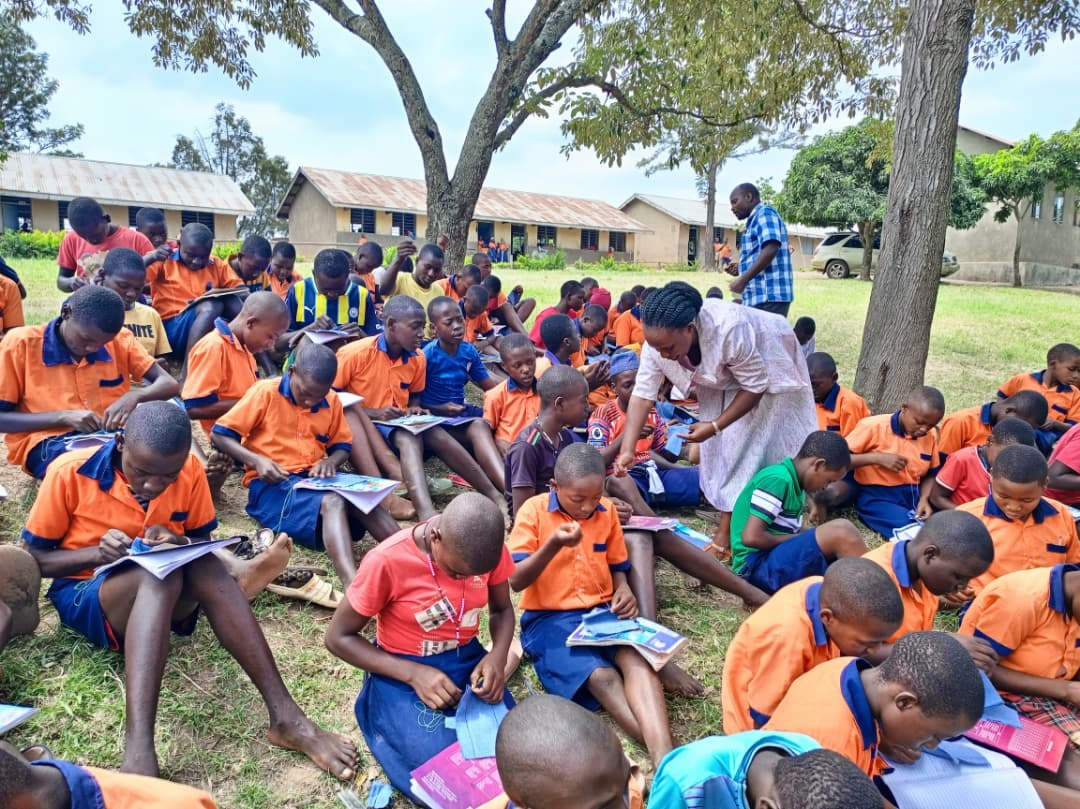
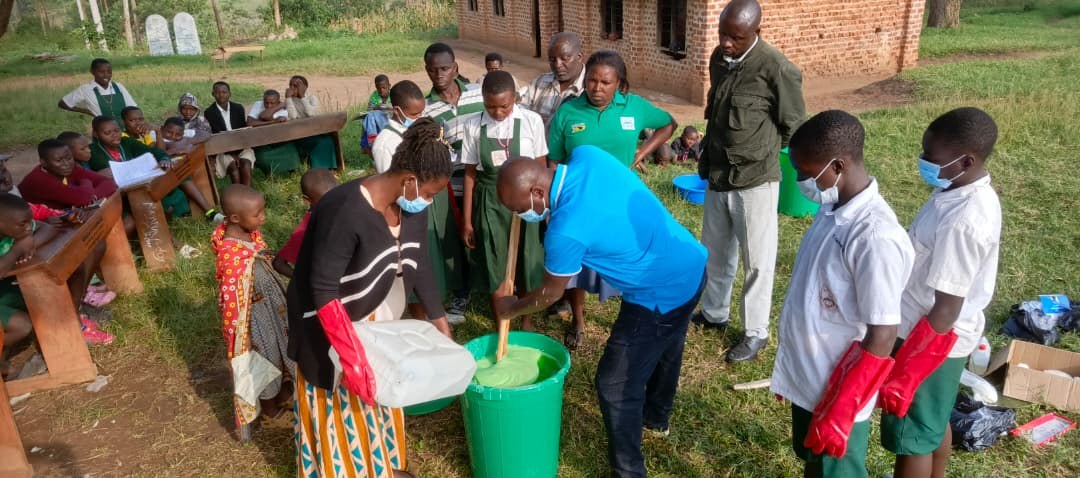
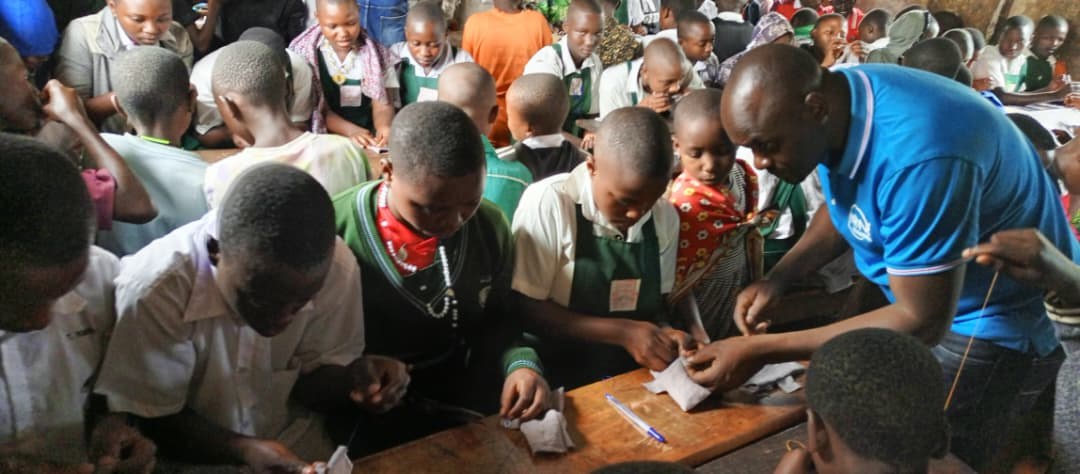
Trained young people in reusable sanitary pad and liquid soap making across four schools.
Restored over 120 hectares along the buffer zone of River Mpanga.
Over 322 beneficiaries — 200 females and 122 males — were sensitised on sanitation and hygiene practices in selected villages.
Improved knowledge and attitudes for 2,160 community members, 4,217 pupils and teachers on desirable hygiene practices and environmental sanitation.
Supported adherence to the 100-metre buffers along River Mpanga in Kanara Sub-County.
Improved access to safe and clean water across 8 villages in Nyakachwamba Parish and 6 villages in Kahunge Parish.
Conducted WASH awareness campaigns in Nyakachwamba Parish and advocated for piped water services across eight villages.
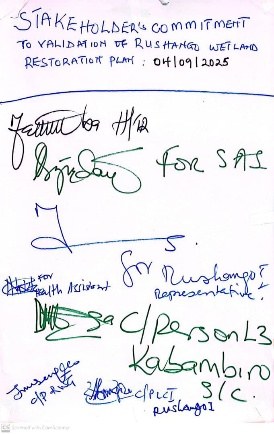
Coordinated validation plans for the Busiriba-Kahunge River Mpanga buffer and Rushango Wetland.
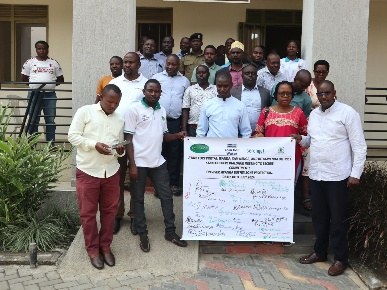
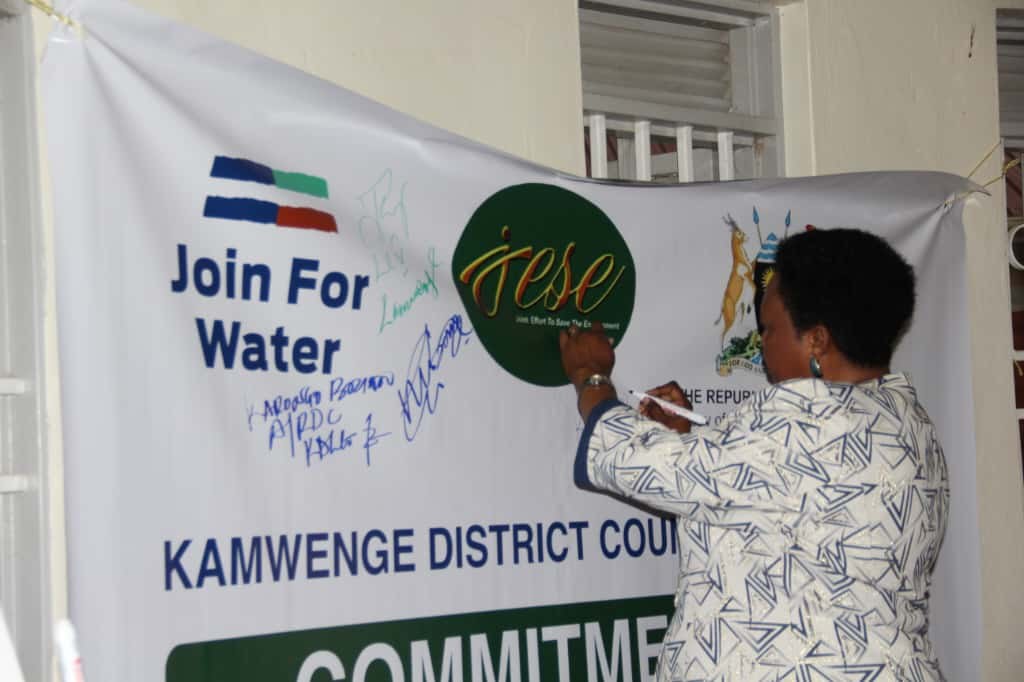
Secured commitments from 4 district stakeholders to continue advocating for freshwater and environmental resource protection.
People protecting their environment
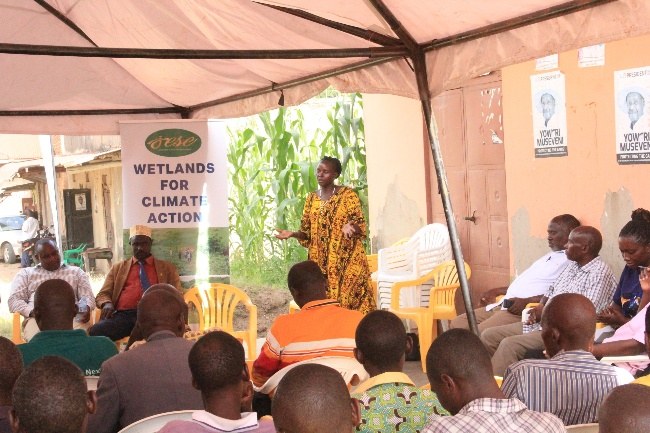
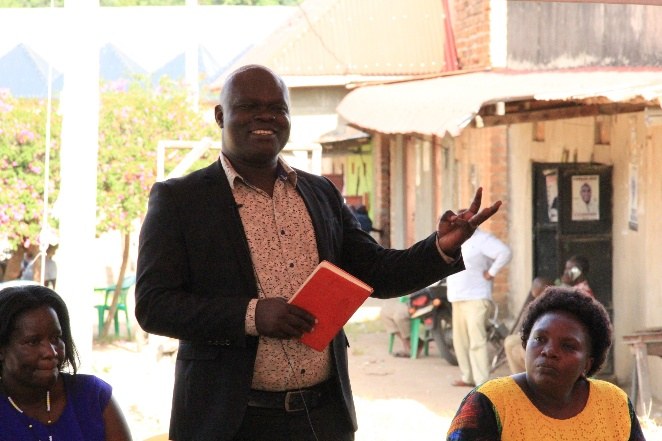
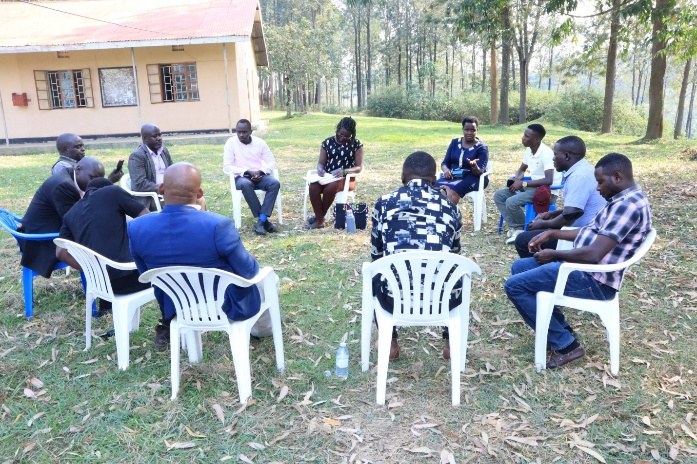
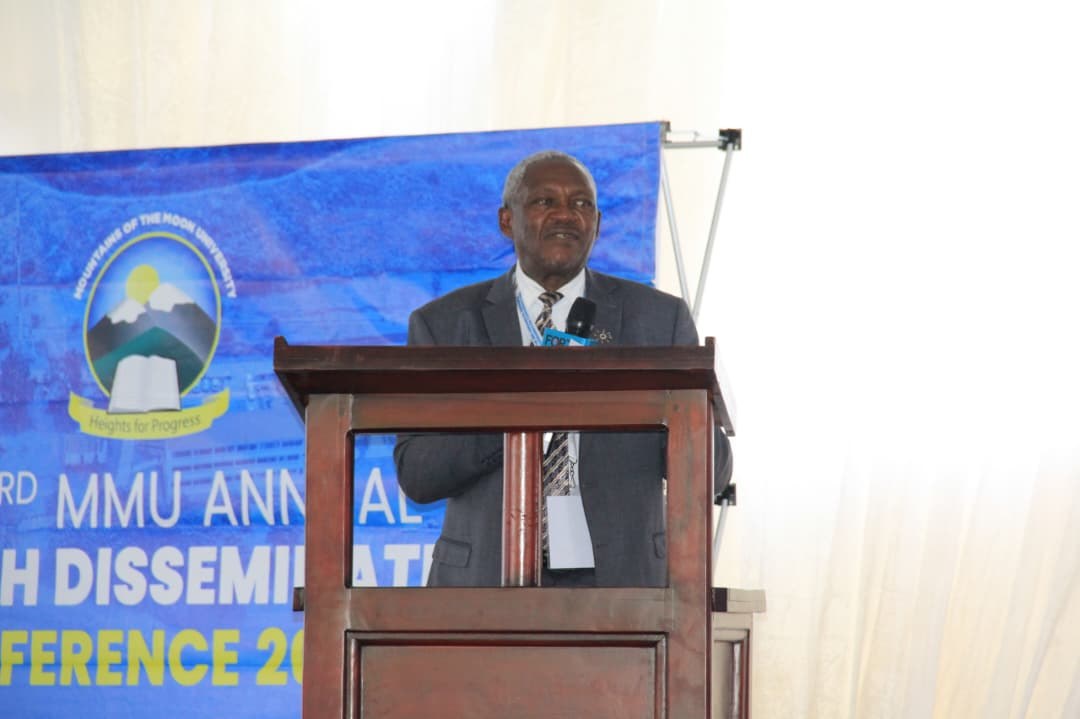
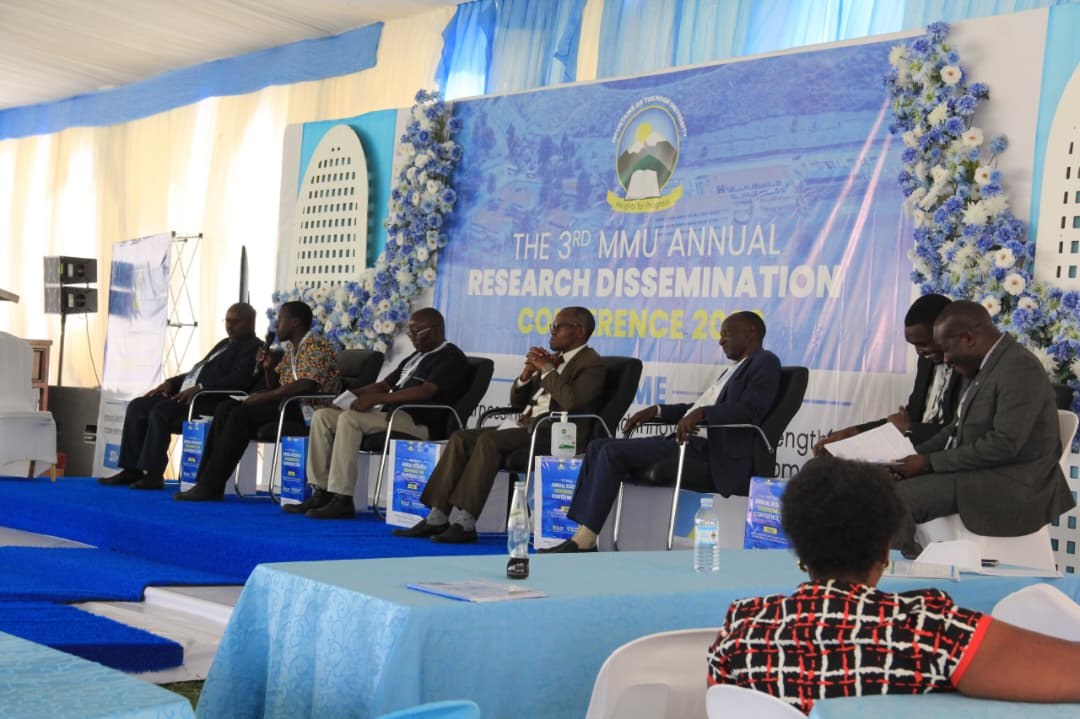
Photos from the programme document community engagement, restoration, school activities, research and stakeholder action.
Research, advocacy and partnerships
Evidence and collaboration help translate environmental knowledge into action.
Research Partnership
Partnership with Mountains of the Moon University supported research with Master's students. Key deliverables include a book, policy briefs and issue papers, with periodic dissemination of findings to stakeholders.
Evidence-Based Advocacy
The programme undertakes evidence-based advocacy with policy influencers and leaders and continues stakeholder engagement within the Albertine region through research and training.
Stakeholder Commitments
Four district stakeholders committed to continuing advocacy for the protection and conservation of freshwater and environmental resources.
Community Engagement & Monitoring
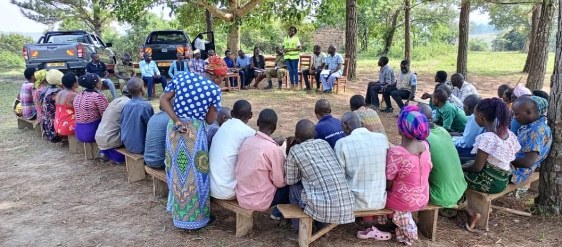
Community meetings, district council engagement, awareness campaigns and joint field monitoring visits have supported continued action around River Mpanga and associated ecosystems.
Working together for water and nature
Protecting water means protecting communities.
PURE brings communities, schools, researchers, local leaders and other stakeholders together to protect freshwater resources, restore ecosystems and strengthen socio-ecological resilience.
Explore the Programme