
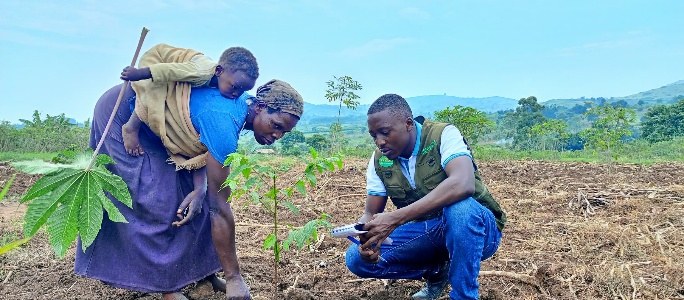
UGROW Programme (Uganda Green Rural Opportunities for Wealth Creation
Climate and Natural Resources Management | Food Systems and Resilient Livelihoods
Development Partner: Forests of the World (Denmark)
Project Location
- Kyenjojo District
- Kamwenge District
Project Goal
To promote climate-resilient livelihoods through agroforestry, sustainable cocoa and vanilla production, ecosystem restoration and compliance with international sustainability standards.
Key Objectives
-
1
Expand climate-smart agroforestry systems
-
2
Improve household incomes through sustainable cocoa and vanilla value chains
-
3
Strengthen farmer organizations
-
4
Promote restoration of degraded landscapes
-
5
Support compliance with the European Union Deforestation Regulation (EUDR)
Highlights (2025) Continuous technical support provided on sustainable agroforestry practices
Highlights (2025)
-
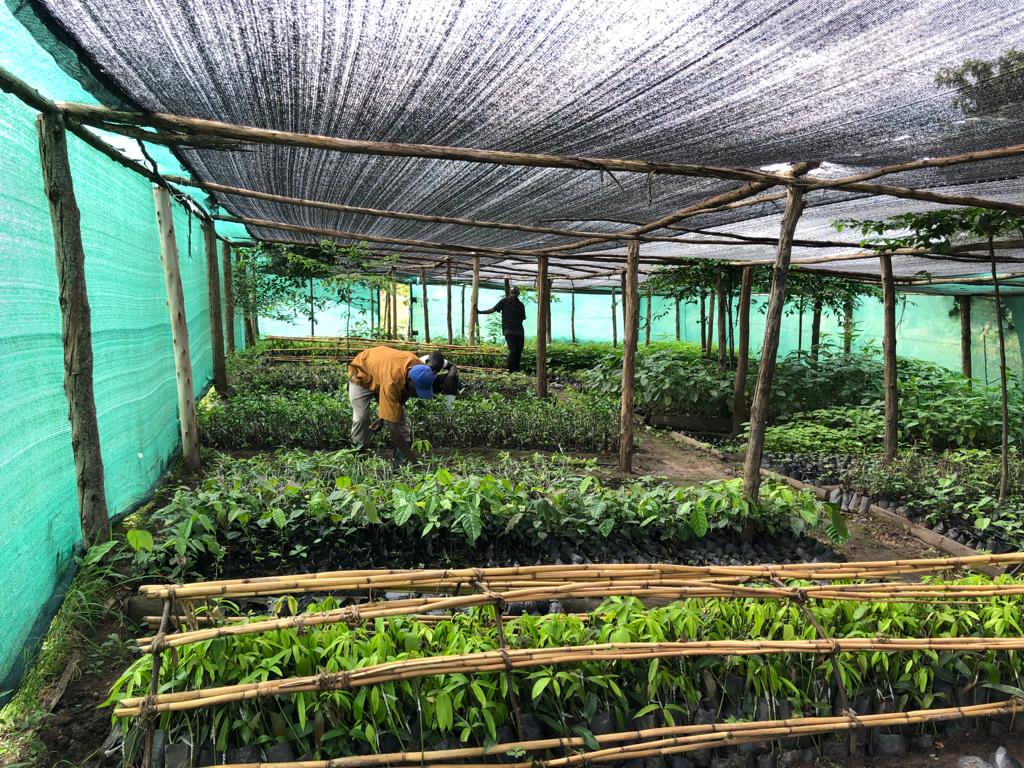
2,564,754
Trees planted
-
53,448
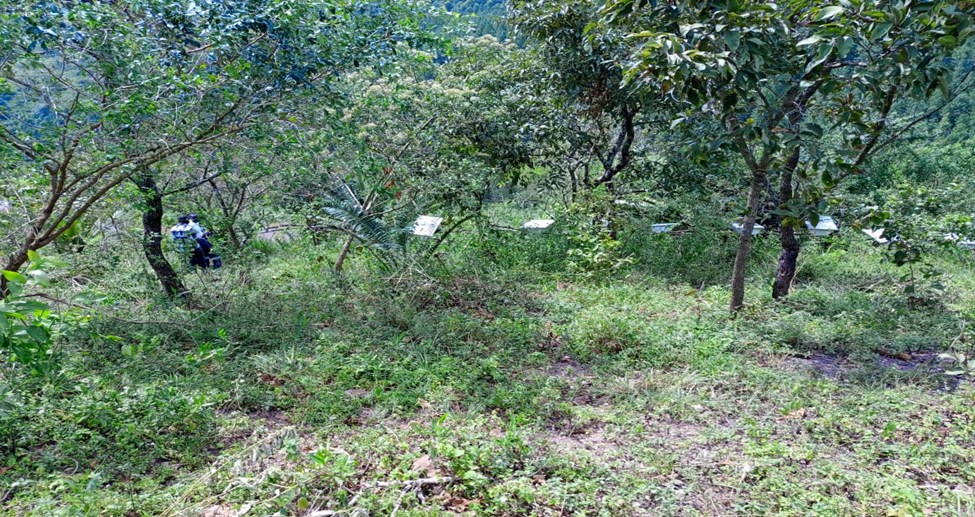
Trees managed under Farmer Managed Natural Regeneration (FMNR)
-
8,960
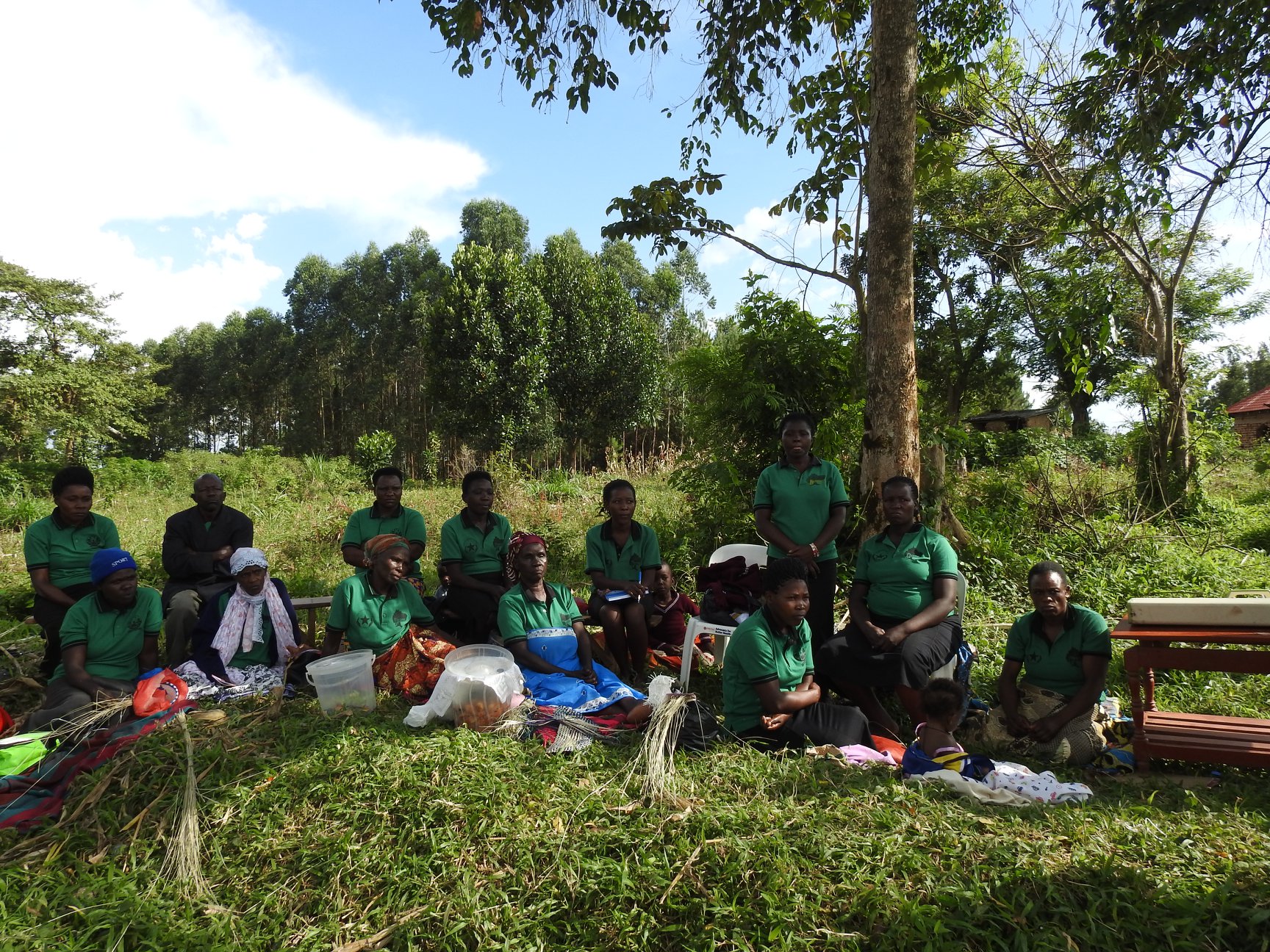
Farmers actively participated
-
2,400
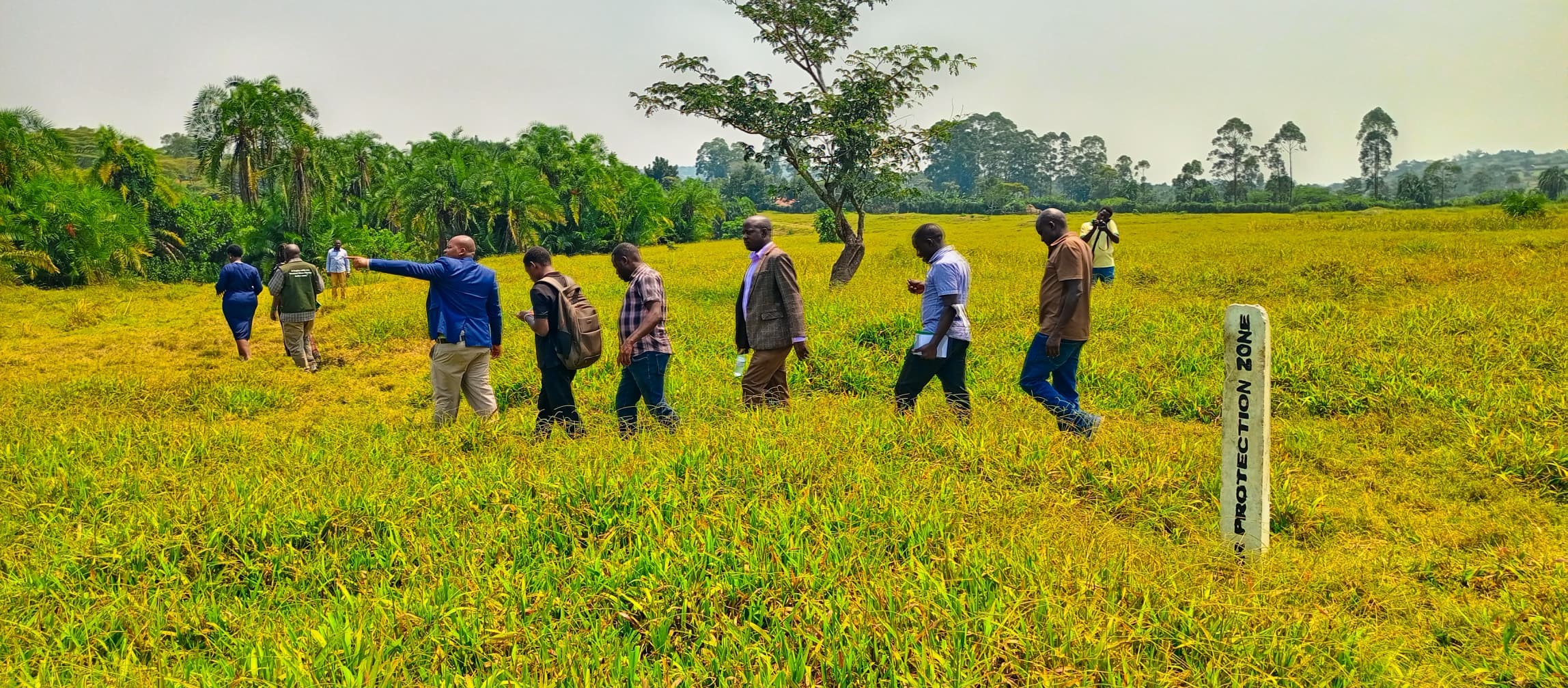
Hectares restored
Expected Results
Improved ecosystem health
Reduced land degradation
Increased carbon sequestration
Improved household incomes
Multi-Year Programme (MYP) Climate and Natural Resources Management
Development Partner: Join For Water (Belgium)
Project Location
River Mpanga Catchment
● Kamwenge District
● Kitagwenda District
Project Goal
To strengthen community-led management of water resources and improve resilience within the River Mpanga Catchment.
Key Objectives
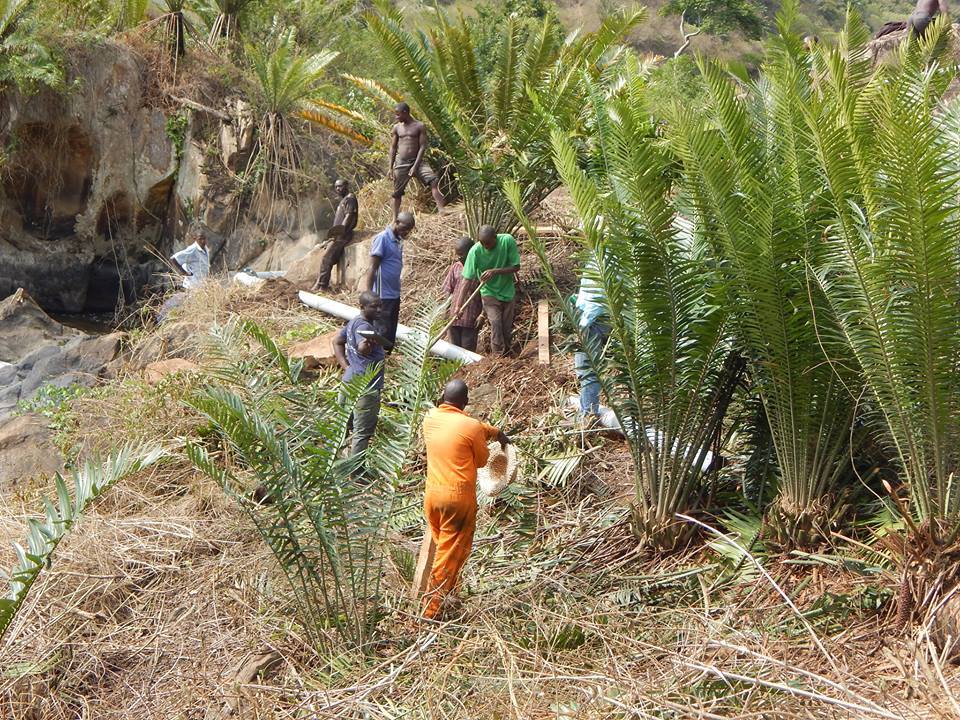
● Restore degraded riverbanks.
● Improve watershed governance.
● Promote community participation.
● Strengthen climate resilience.
Highlights (2025)
● Over 10,500 indigenous trees were planted along River Mpanga.
● 2,000 cocoa seedlings distributed to farming households.
● Community conservation structures strengthened.
● River buffer restoration expanded.
● hectares
Expected Results by the close of 2026
● Protected river ecosystems.
● Improved water quality.
● Increased household income.
● Reduced environmental degradation.
Sustainable Food Systems Programme Food Systems and Resilient Livelihoods
Development Partners
Implemented with local governments and development partners.
Project Area
Western Uganda
Goal
To strengthen food security, nutrition and household resilience through agroecology and climate-smart agriculture.
Key Components
- Agroecology
- Farmer Field Schools
- Nutrition
- Integrated Farm Planning
- Value Chain Development
- Financial Inclusion
Results (2025)
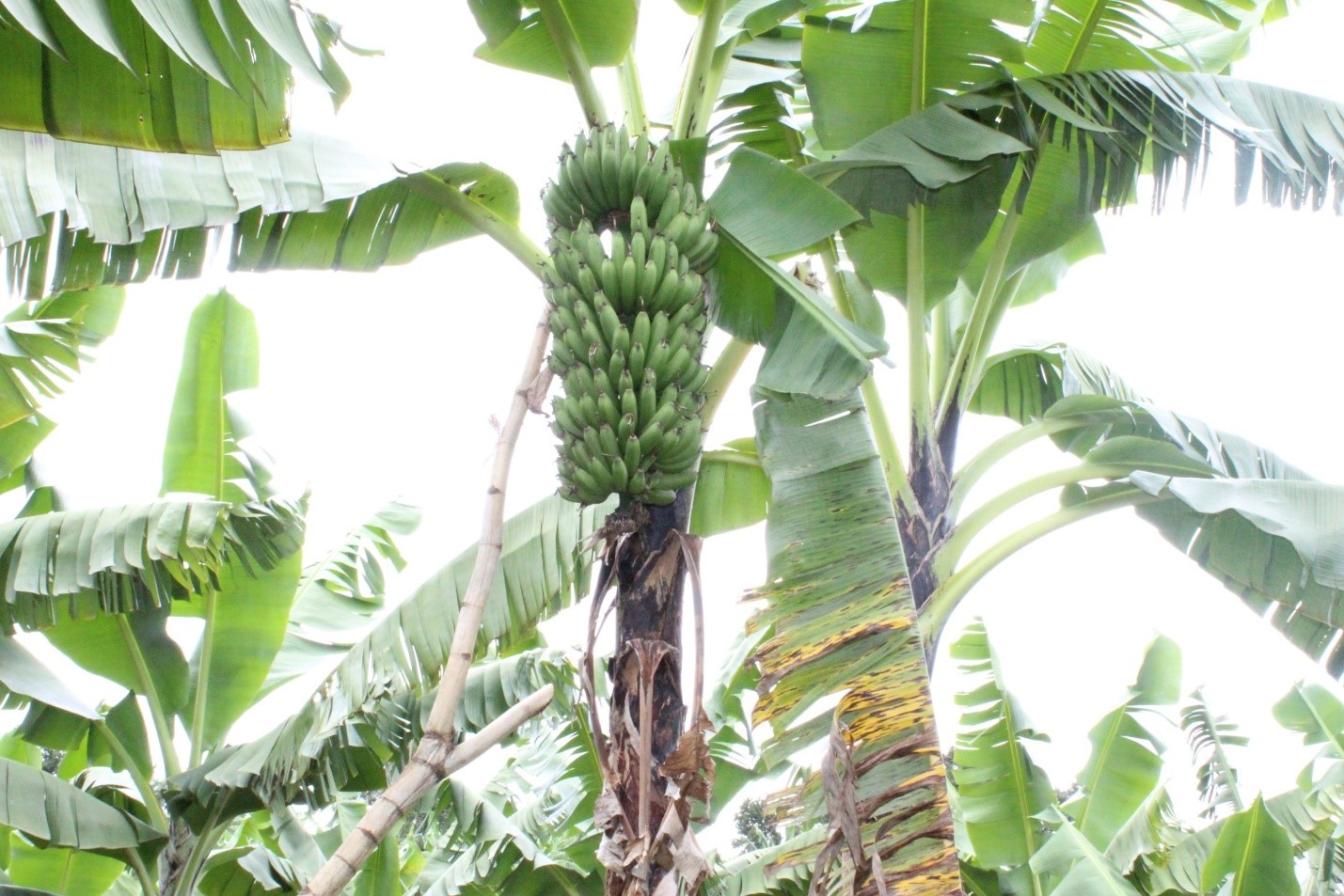
- More than 13,000 farmers adopted agroecological practices.
- Improved agricultural productivity.
- Enhanced household food security.
- Increased market participation.
-
Water, Sanitation and Climate Resilience Programme
Water, Sanitation and Climate Resilience
Project Areas
Multiple districts in Western Uganda
Goal
To improve equitable access to safe water, sanitation and hygiene while strengthening climate resilience.
Key Components
● Rural Water Supply
● School WASH
● Hygiene Promotion
● Catchment Protection
● Water Governance
Results (2025)
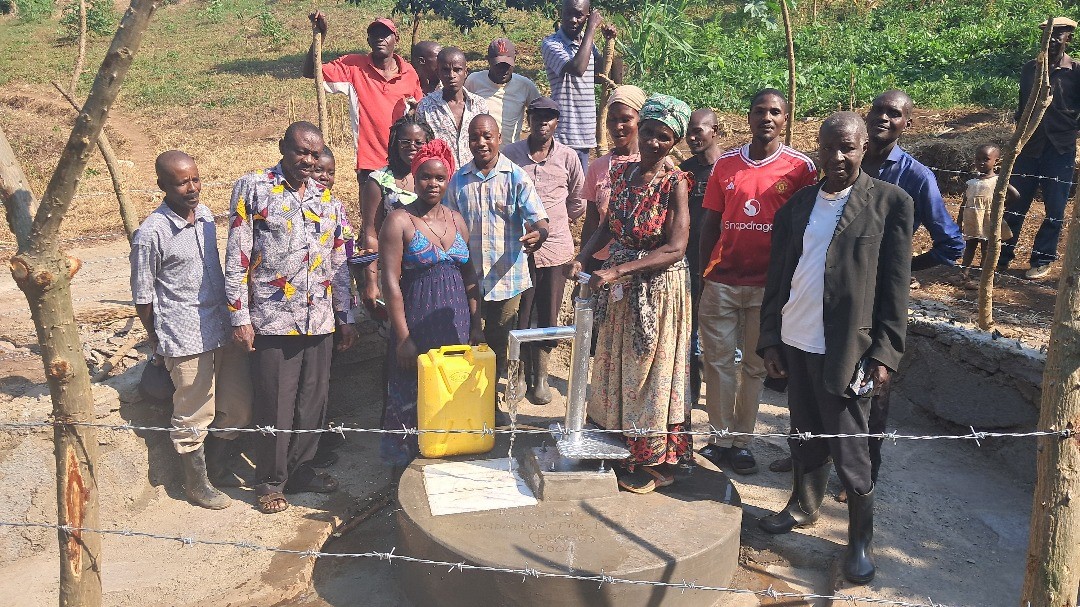
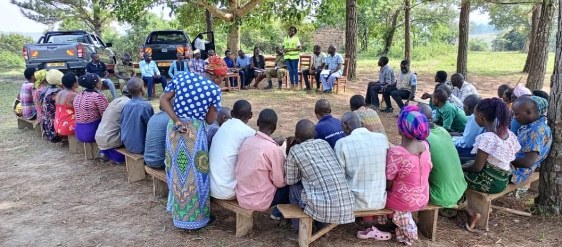
● 6,772 community members accessed improved water services.
● 3,319 pupils benefited from improved WASH facilities.
● Community water systems strengthened. -
Refugee and Host Community Resilience Program
Humanitarian Response and Climate Resilience
Project Areas
● Kyaka II Refugee Settlement
● Kyangwali Refugee Settlement
Goal
To strengthen resilience, food security and peaceful coexistence among refugees and host communities.
Key Components
● Sustainable Livelihoods
● Renewable Energy
● Nutrition
● Natural Resource Restoration
● Peace Building
Results (2025)
● 530 refugee households supported.
● 17 refugee-led community structures strengthened.
● Increased adoption of renewable energy technologies.
● Improved nutrition and livelihood opportunities. -
Youth Employment, Green Jobs and Enterprise Development
Youth Employment and Skills Development
Goal
To equip young women and men with vocational, entrepreneurial and green skills for employment and enterprise development.
Programme Components
● Technical Skills
● Green Enterprises
● Entrepreneurship
● Business Incubation
● Innovation
● Employment Linkages
Results (2025)
● 951 young people acquired employable and entrepreneurial skills.
● Increased youth participation in green enterprises.
● Improved self-employment opportunities.